 Michael wanted to understand
The Cell That Got Stopped at the Gate
Why future replacement tissues need a very grumpy security checkpoint before any wandering stem cell sneaks out of the lab.
BioWadi
BioWadi team
Published
July 17, 2026
Reading time
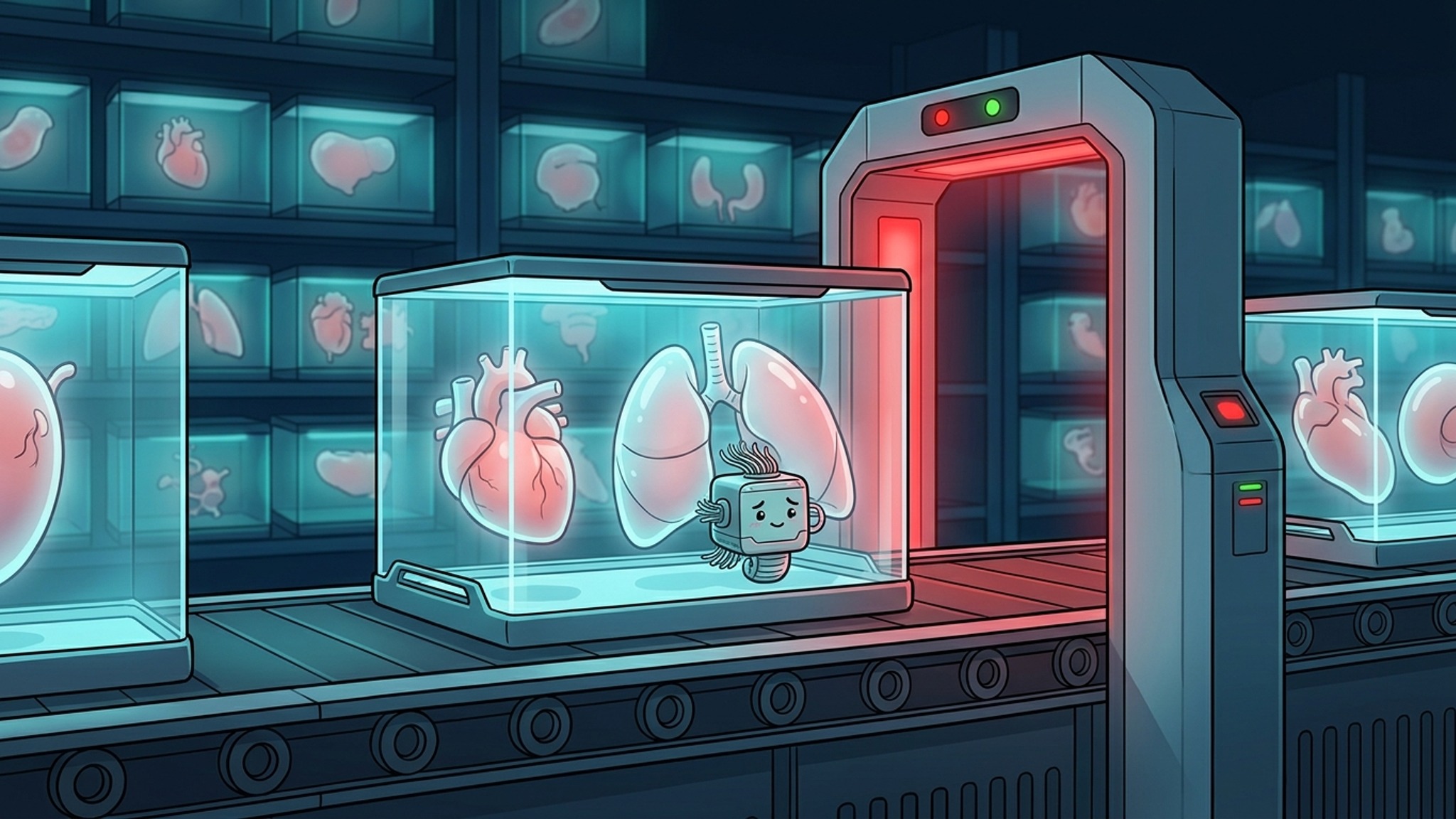
The gate beeped just before the crate left the lab.
Not a tiny “you forgot a sticker” beep. A “someone here almost shipped something into the world before it had decided what it wanted to be when it grew up” beep.
Inside the crate there were supposed to be orderly biological parts. Not an IKEA chair with three leftover screws that everyone pretends are fine. Living, delicate parts, the kind that, if medicine ever uses them, will need to be in the right place and doing the right job.
But in the corner stood one cell with no work badge.
The guard asked, “Are you muscle?”
“Not exactly.”
“Nerve?”
“Haven’t decided yet.”
“Skin?”
“I’m very open to opportunities.”
The guard sighed. Even a Swiss Army knife does not belong in a crate of screws.
The Cell That Was Not a Spare Part
The suspicious cell is called a human pluripotent stem cell, or hPSC. The name looks like it fell off a high shelf in a lab, but the idea is sharp: this is not a finished part. It is living raw material that can still go in several directions.
Cells like these have two traits that make scientists’ eyes sparkle and safety inspectors’ heads hurt. The first is self-renewal: the cell can divide and make more cells that remain raw, undifferentiated material. In our warehouse metaphor: more printers, not more screws.
The second is differentiation: the cell gets a work badge. It stops being “maybe everything” and starts becoming a more specific cell type. Not a tiny philosopher in a dish, but a candidate for a defined biological part.
That is why hPSCs are so interesting for future medicine and ideas about regeneration and replacement tissues. If scientists can grow this kind of raw material, maybe one day they can guide it into useful cells. There are two main sources: human embryonic stem cells isolated from embryos, and ordinary body cells reprogrammed into a more open state.
But the whole dream depends on a less sparkly question: at the end of the process, is there a finished part in the crate, or a tiny printer still improvising?
TL;DR
- hPSCs can renew themselves as raw material and differentiate into many cell types in the body.
- That makes them interesting for future medicine, but they are not ready-made “spare parts.”
- An undifferentiated cell left in material meant for transplantation could be a safety problem, because it is still too open-ended.
- The real story is not medical magic. It is a strict exit gate checking who got a job and who stays out.
First You Copy, Then You Ask for Nice Behavior
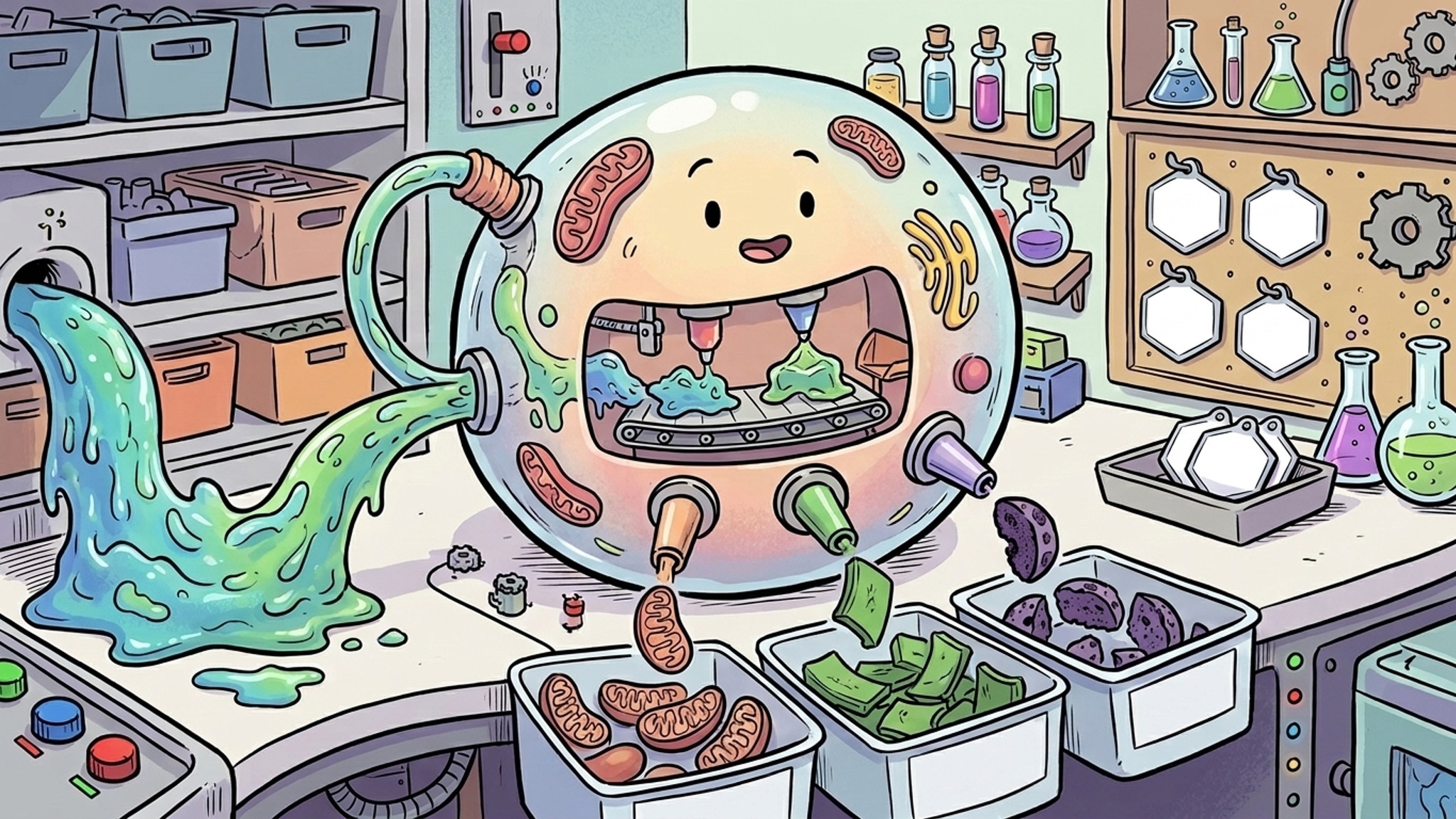
To reach a useful biological part, scientists first need to multiply cells in culture. A culture means growing cells in a lab vessel: give them suitable conditions, and they divide. On paper, this sounds organized. In real life, biology is a warehouse manager with a bad sense of humor.
Once there is enough raw material, scientists try to push the cells to differentiate. Meaning: enough being a general-purpose printer. Now become a specific kind of cell, with a specific job, and stop sending resumes to every organ in the body.
If everything works, the cell moves from an open state into a more defined one. That is the moment when the dream looks reasonable: not “stem cells will cure everything,” but “maybe we can learn to make specific cells in a controlled way.”
Then comes the problem that almost always shows up when you let something living multiply for a long time: not all cells play by the same rules.
When the Copy Button Gets Stuck
The article this story is based on describes an important concern: long-term growth of hPSCs in the lab can select for cells with genetic abnormalities. A genetic abnormality is a change in the cell’s operating instructions. Sometimes it is a big change in chromosomes, and sometimes it is a smaller change in the number of copies of a certain DNA region.
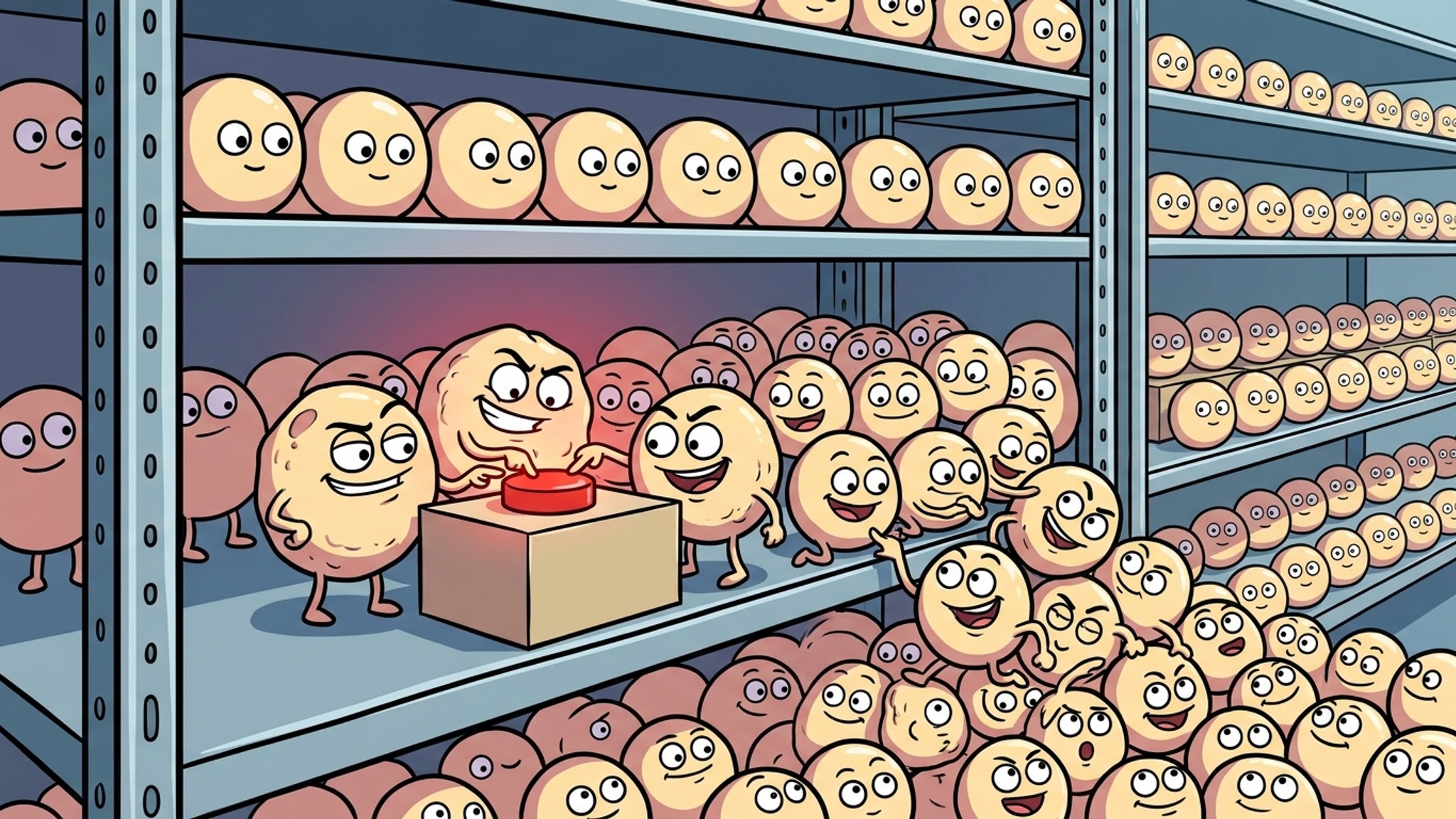
Why “select”? Because in culture, a cell that gets even a small survival or division advantage can start taking over. It does not have to be the best cell for medicine. It only has to be the cell that found the “copy me” button and leaned on it like a kid pressing an elevator bell.
Some of the changes described in the article involve pathways and genes connected to growth, cell survival, and cancer risk. There is no need to turn this into a frightening name-list. The simpler point is this: if a cell learns to divide too well, it is no longer just useful raw material. It might become a warehouse worker who appoints itself CEO.
The Crate That Built Too Many Things
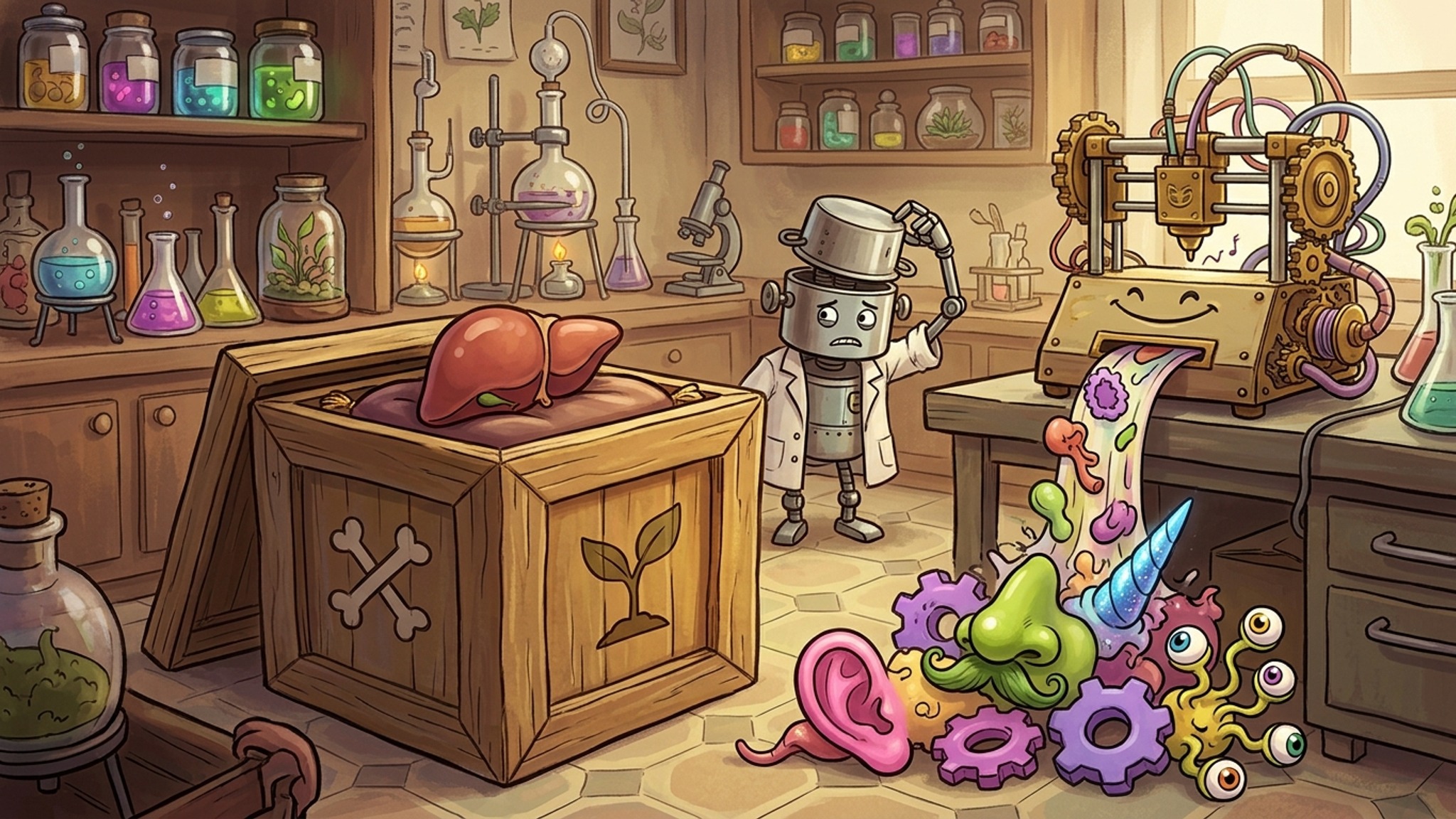
Now back to the cell stuck at the gate. In a lab dish, it is raw material that has to be managed carefully. But if an undifferentiated pluripotent cell remains inside material meant for an experimental transplant, it is no longer a tiny detail forgotten in the corner. It is a safety problem.
In transplantation studies in mice, undifferentiated human pluripotent cells can form a teratoma. A teratoma is a growth containing a mixture of cell types representing three major embryonic development directions. In warehouse language: you ordered one part, and the printer started building a shelf, a lamp, and something that looks like a terrible homeowners’ committee decision.
That does not mean every stem cell is a disaster with dramatic music. It does mean that a cell left too open-ended, in a place where one job is needed, can start building things nobody asked for.
The article also describes culture-adapted cells that showed the ability to form aggressive teratomas and tumors resembling a more cancerous version of the same family. Calm English translation: growth power plus open identity is a combination that demands serious testing before anyone gets close to medicine.
What Did They Actually Check?
Here we do the thing the internet likes less than shiny promises: look at the type of evidence.
The source here is a peer-reviewed perspective and review article. It is not a new clinical trial, not an approved treatment, and it states that no new data were generated in it. It gathers and explains safety risks around hPSCs: their ability to self-renew and differentiate, the risk that undifferentiated cells will form teratomas in mice, the possibility that long-term culture will select genetic abnormalities, and the need for testing and removing leftover cells that are still too open-ended.
That is a good basis for a story about quality control. It does not prove that a particular treatment works in humans, and it does not mean some product is safe or effective just because the words “stem cells” are stuck on it. An impressive sticker on a crate does not replace a gate that knows how to stop it.
Dinner-table question: if you were the guards at the gate, what would worry you more: a cell that does not know what it is, or a cell that knows how to copy itself too well?
The Gate That Won’t Let the Printer Escape
Quality control is the annoying character in the movie who says, “Wait.” By the end, it turns out they were the only one who read the script.
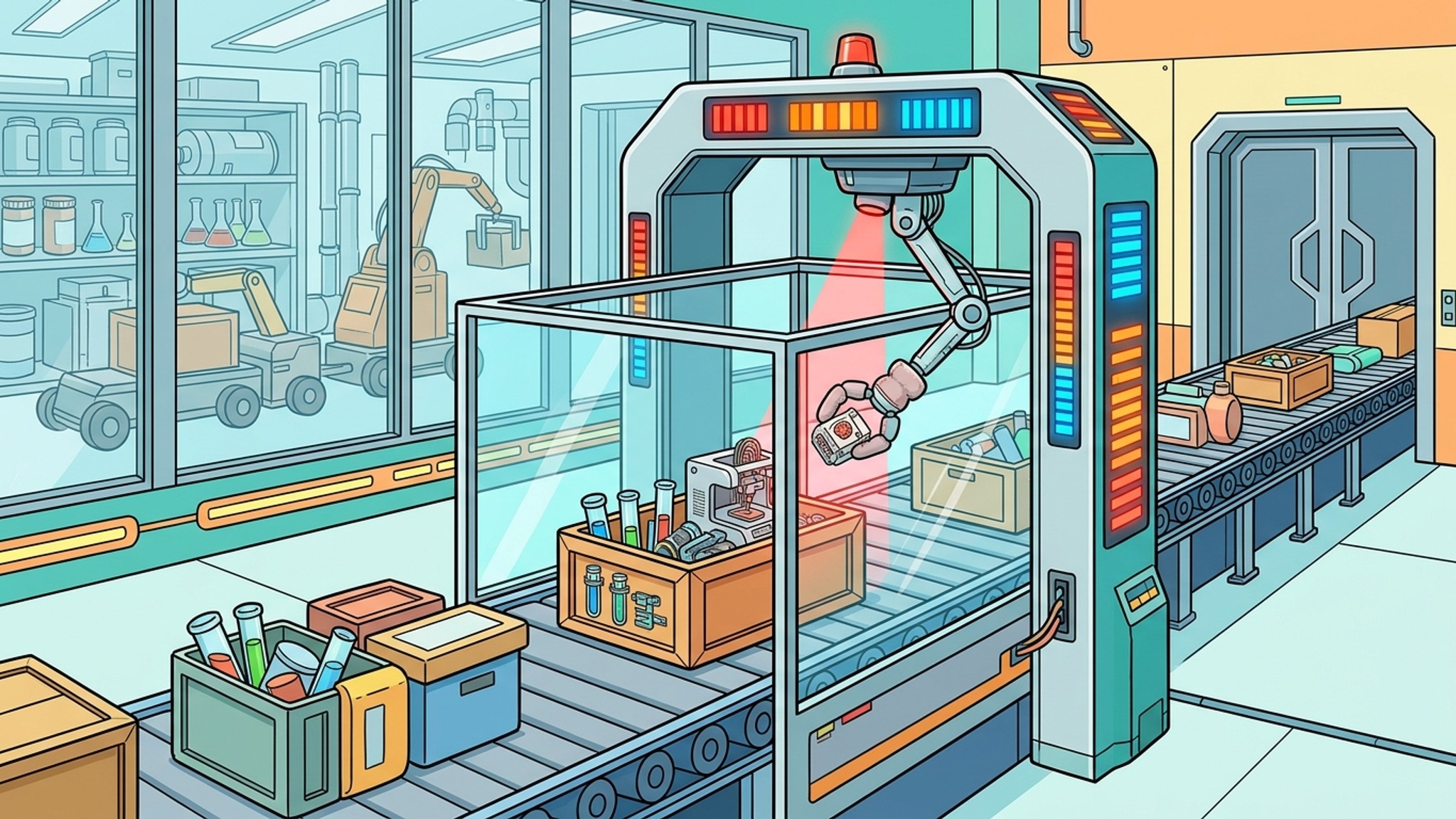
For future treatments based on hPSCs, it is not enough to say: we have cool cells. According to the article, proposed safety approaches include genetic integrity testing, teratoma assays, animal transplantation studies, and methods for removing leftover undifferentiated pluripotent cells, for example through chemical, immunological, or genetic approaches.
The simple image is not four posters on a lab wall. It is one strict, stubborn exit gate asking again and again: is there still a free printer here, or has everything in the crate already received a job?
Where the Magic Ends and the Biology Begins
The lazy version says: stem cells can become anything, so they will cure everything.
The lazy version from the other side says: stem cells are always dangerous.
Both miss the point.
hPSCs are powerful biological raw material. They are interesting because they can renew themselves while undifferentiated and differentiate into many cell types. And exactly because of that, a tiny leftover undifferentiated cell, or a cell that picked up a growth advantage in culture, is not “basically fine.”
There is no medical advice here, no promise about a specific treatment, and no permission to use something because it sounds advanced. There is one simple warehouse rule: the stronger the printer, the less friendly the exit gate needs to be.
Wait, So What Should You Take From This?
In the end, the guard did not stop the crate because the cell was evil. He stopped it because the cell was still too free.
That is the whole difference between a medical dream and a biological mess: it is not enough for a cell to know how to become many things. At the moment of truth, it has to know how to be one thing, in the right place, at the right time, without continuing to press the copy button.
Future medicine does not only need cells that know how to be everything. It also needs to know when to tell them: thank you, now be one part only, or stay outside.