 From Michael's desk
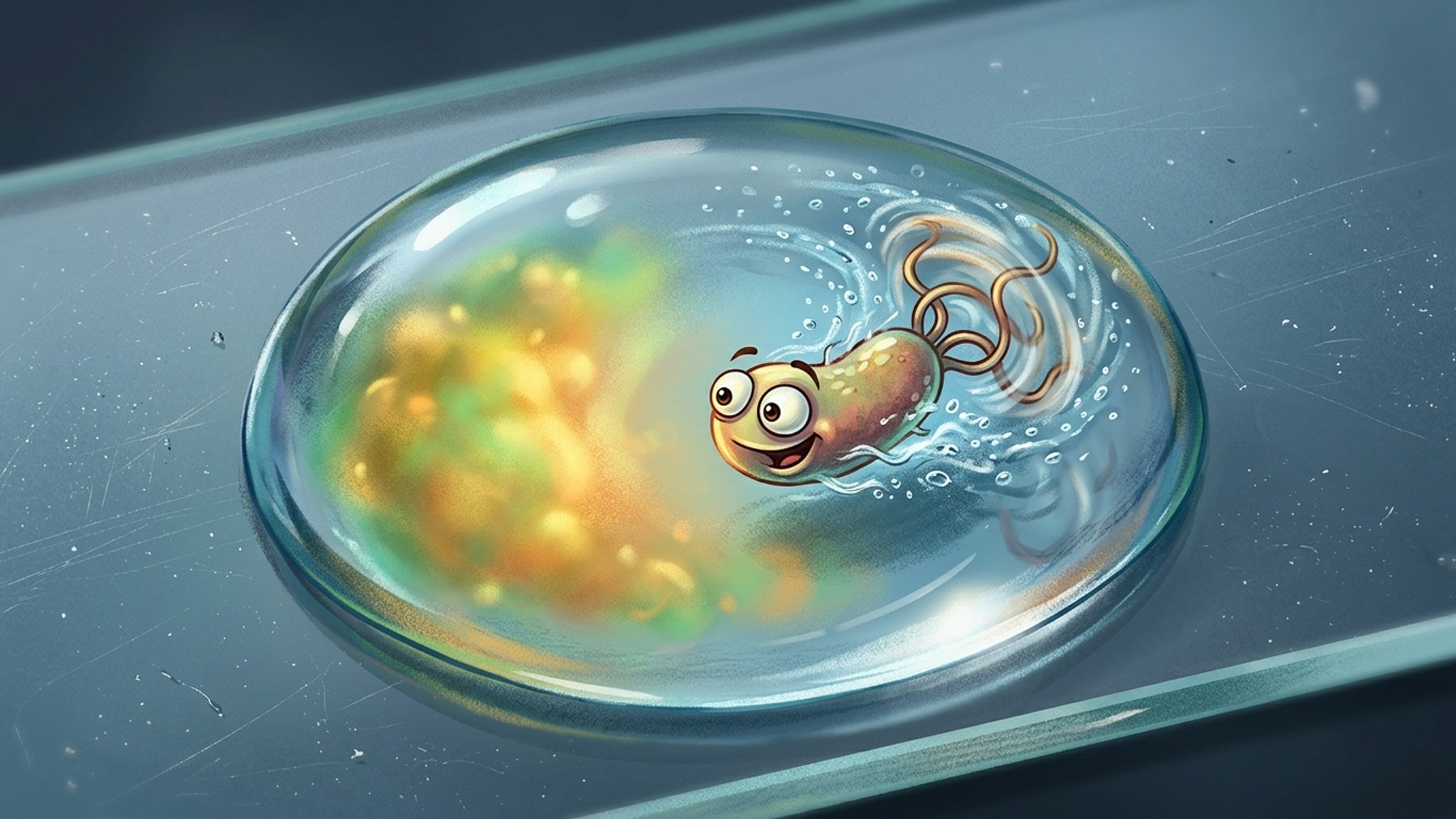
The Bacterium With a Tiny Boat Motor
A geeky microscopic chase story about how bacteria turn chemical hints into motion using a spinning protein motor, ion flow, and lots of tiny course corrections.
ReadEdited by MichaelEdited by Michael, age 9Biotech news for curious kids
Big stories of biotech, medicine, and the body — clear, smart, never talking down.
Edited by Michael, age 9
Michael's pick this week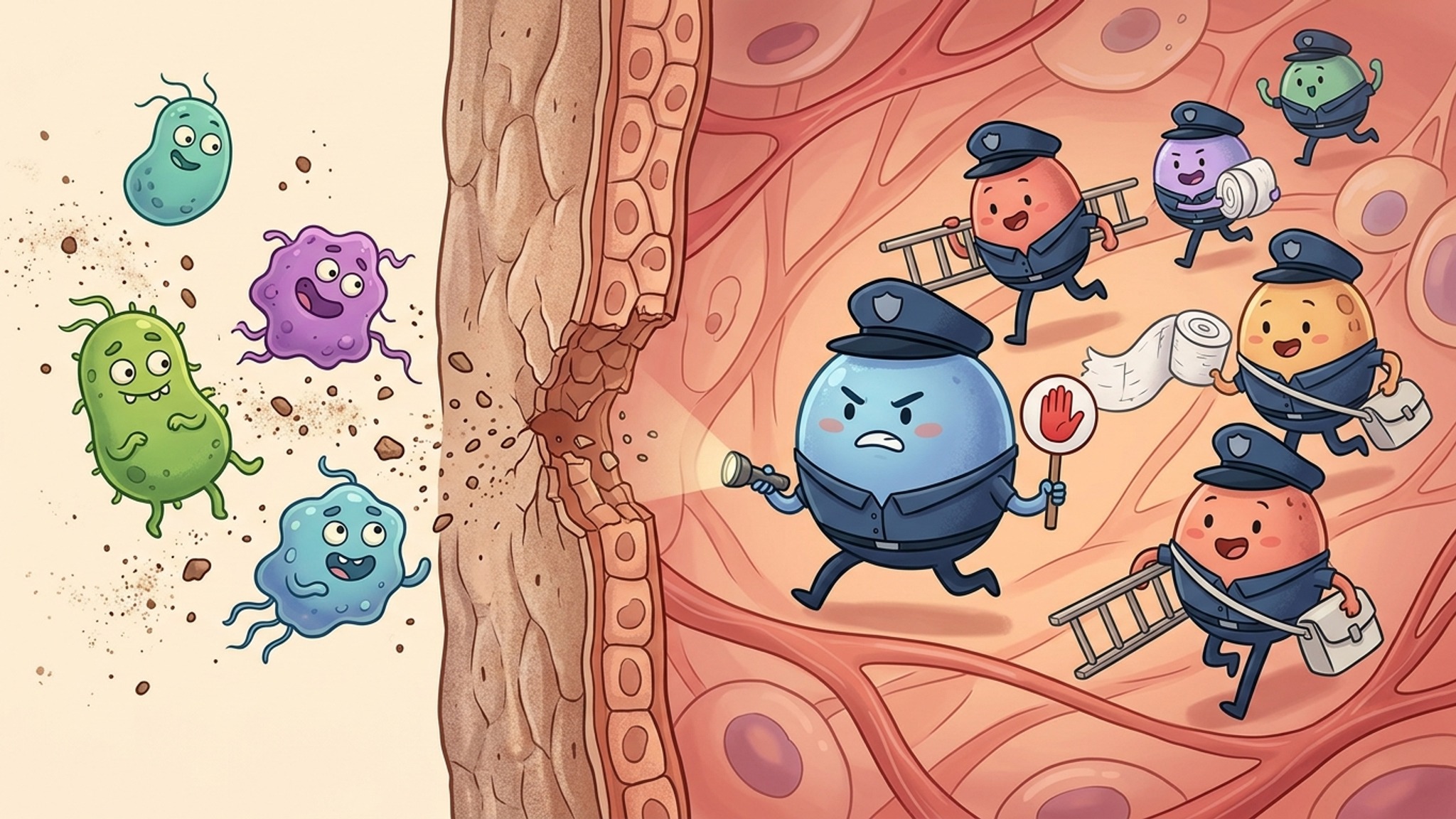
A scraped knee turns into a tiny security incident: barriers break, immune patrols rush in, T and B cells coordinate, and the body learns what to remember next time.
From Michael's deskA geeky microscopic chase story about how bacteria turn chemical hints into motion using a spinning protein motor, ion flow, and lots of tiny course corrections.
Read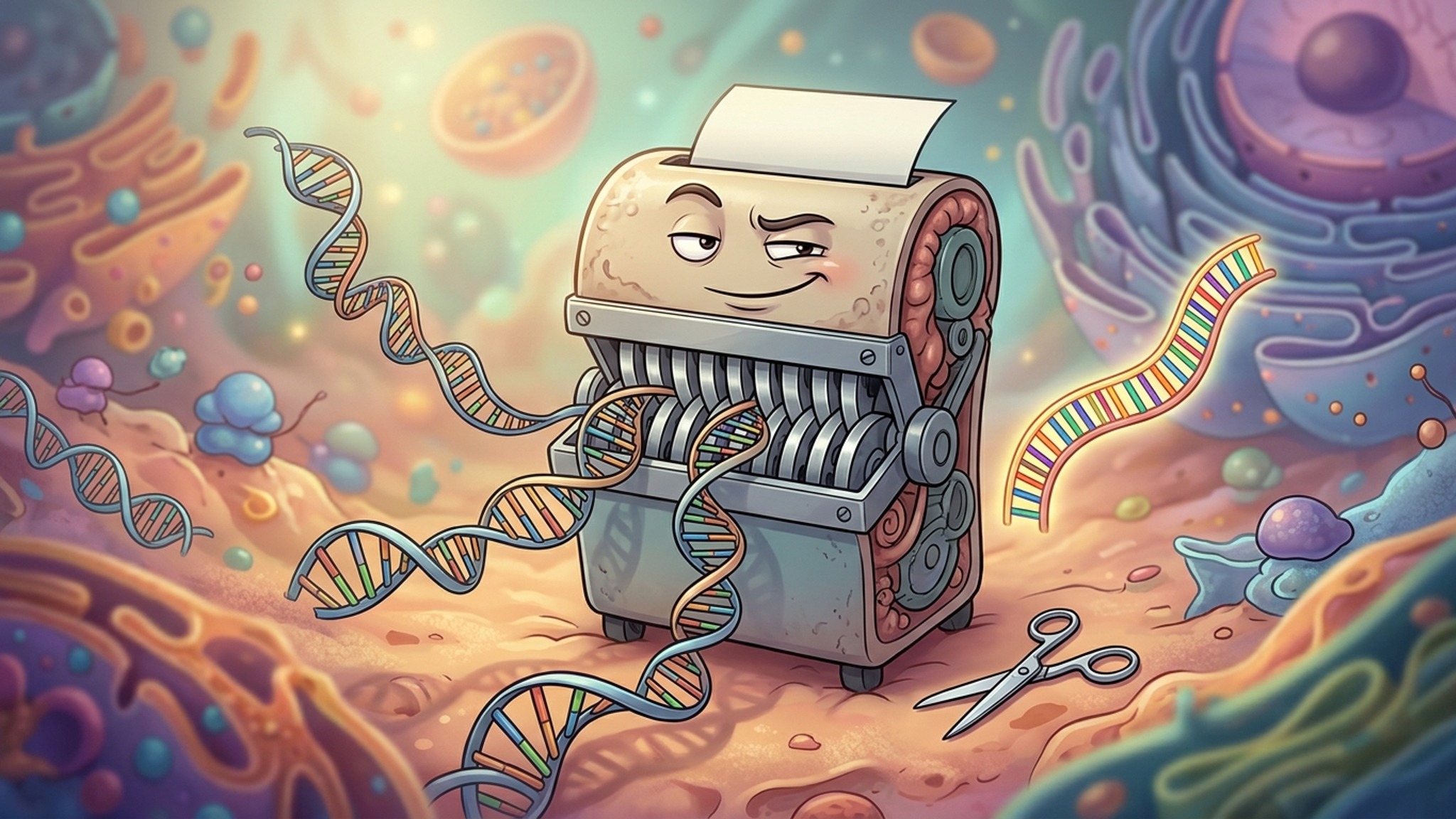 From Michael's desk
A CRISPR relative called Cas12a2 waits for a matching RNA barcode—then shreds nearby DNA. A clever laboratory mechanism, but definitely not a cancer cure.
Read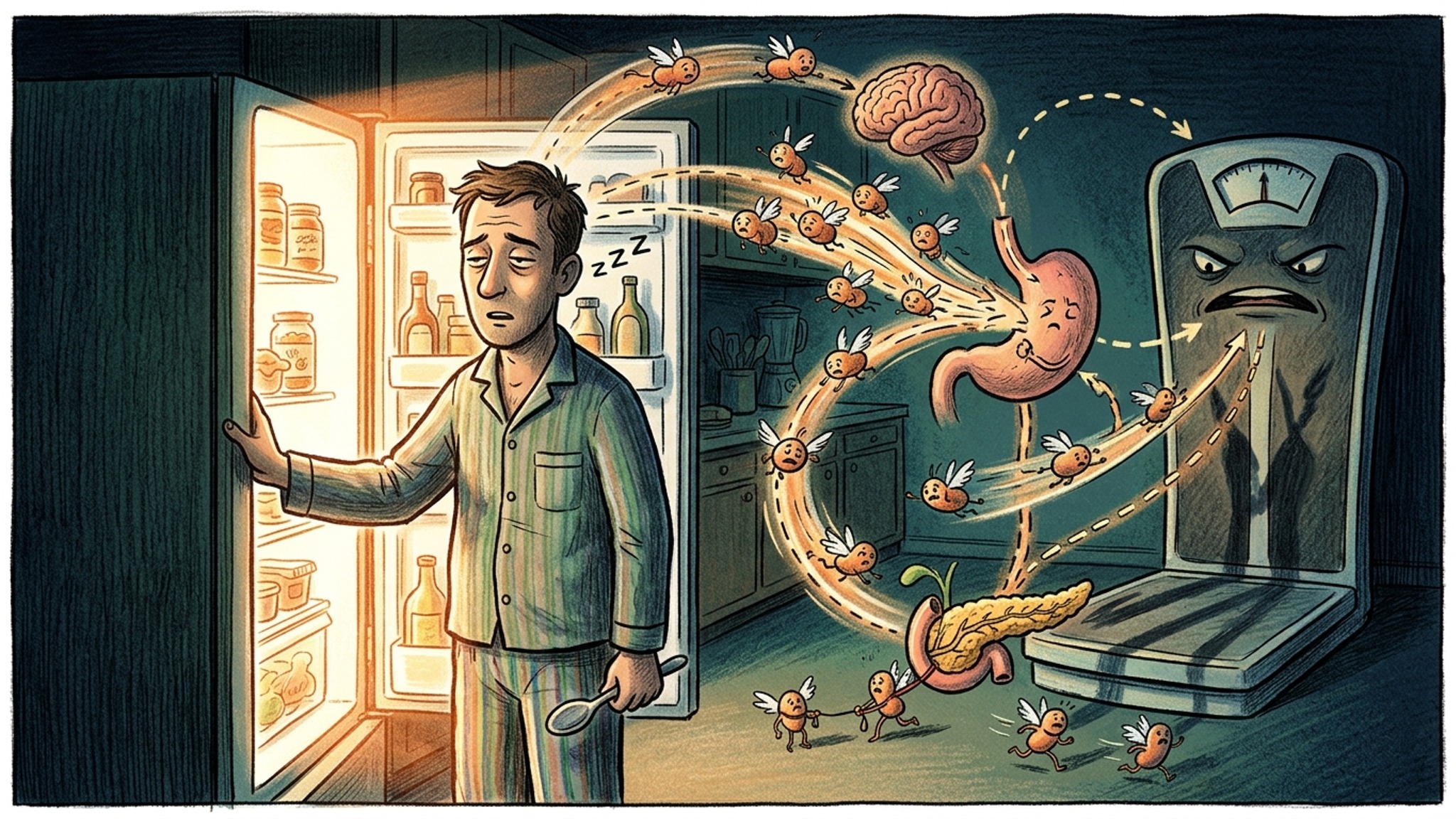 From Michael's desk
A geeky BioWadi guide to GLP-1, semaglutide, Ozempic, Wegovy, type 2 diabetes, weight data, hype, caveats, and one very suspicious fridge.
Read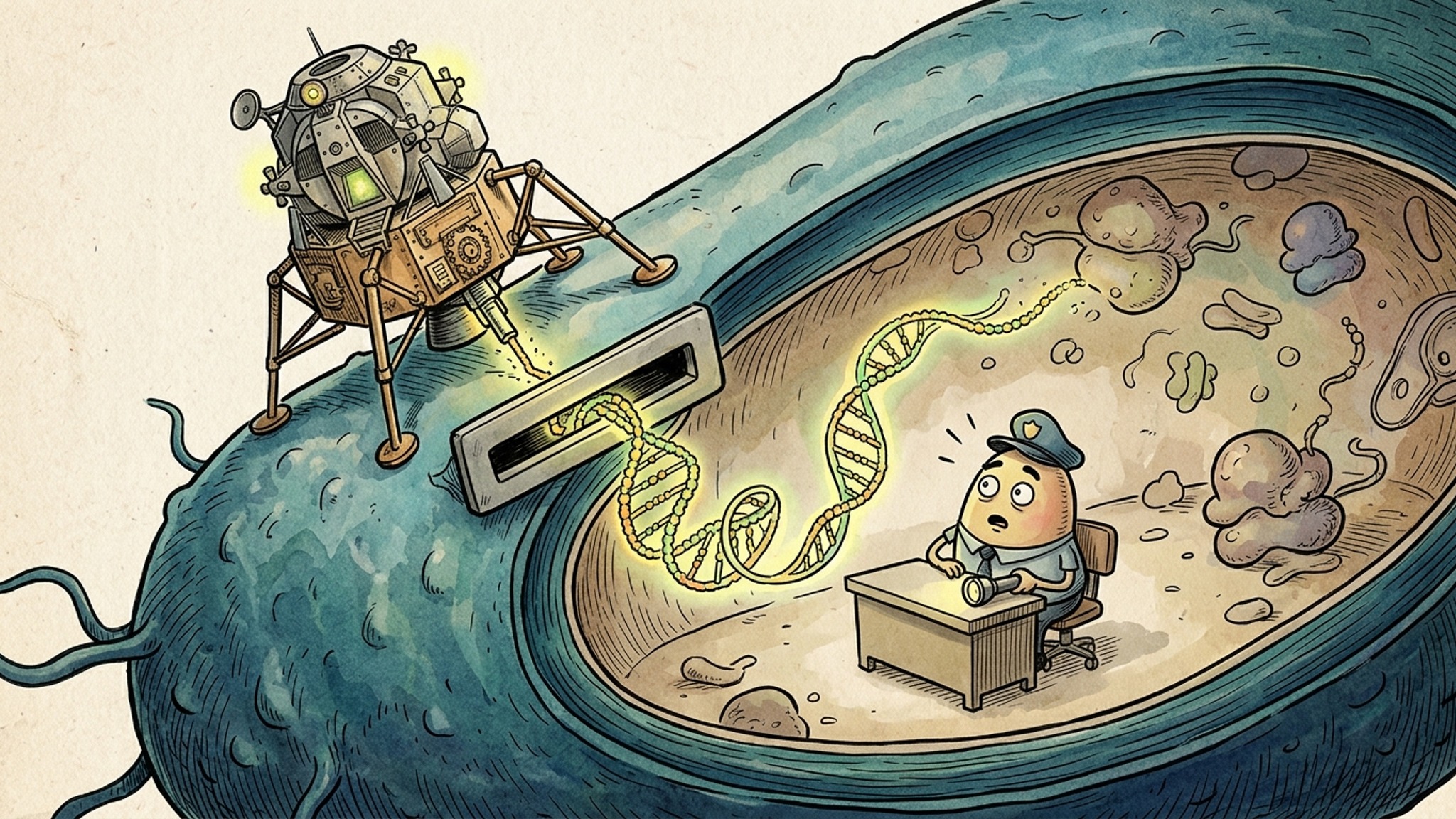 From Michael's desk
How a tiny bacterial security trick became programmable DNA scissors, and why “programmable” still does not mean “perfect.”
Read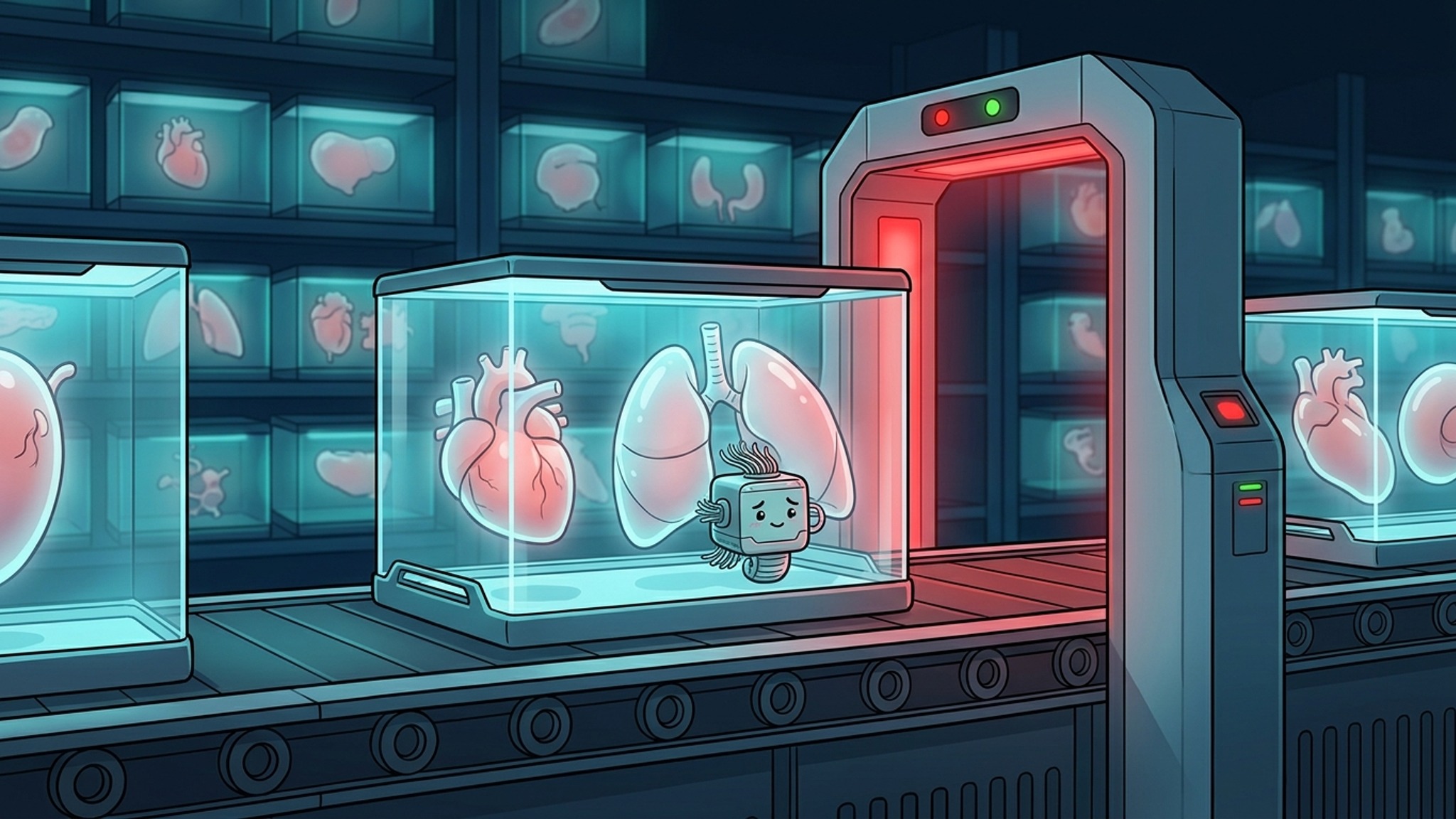 From Michael's desk
Why future replacement tissues need a very grumpy security checkpoint before any wandering stem cell sneaks out of the lab.
Read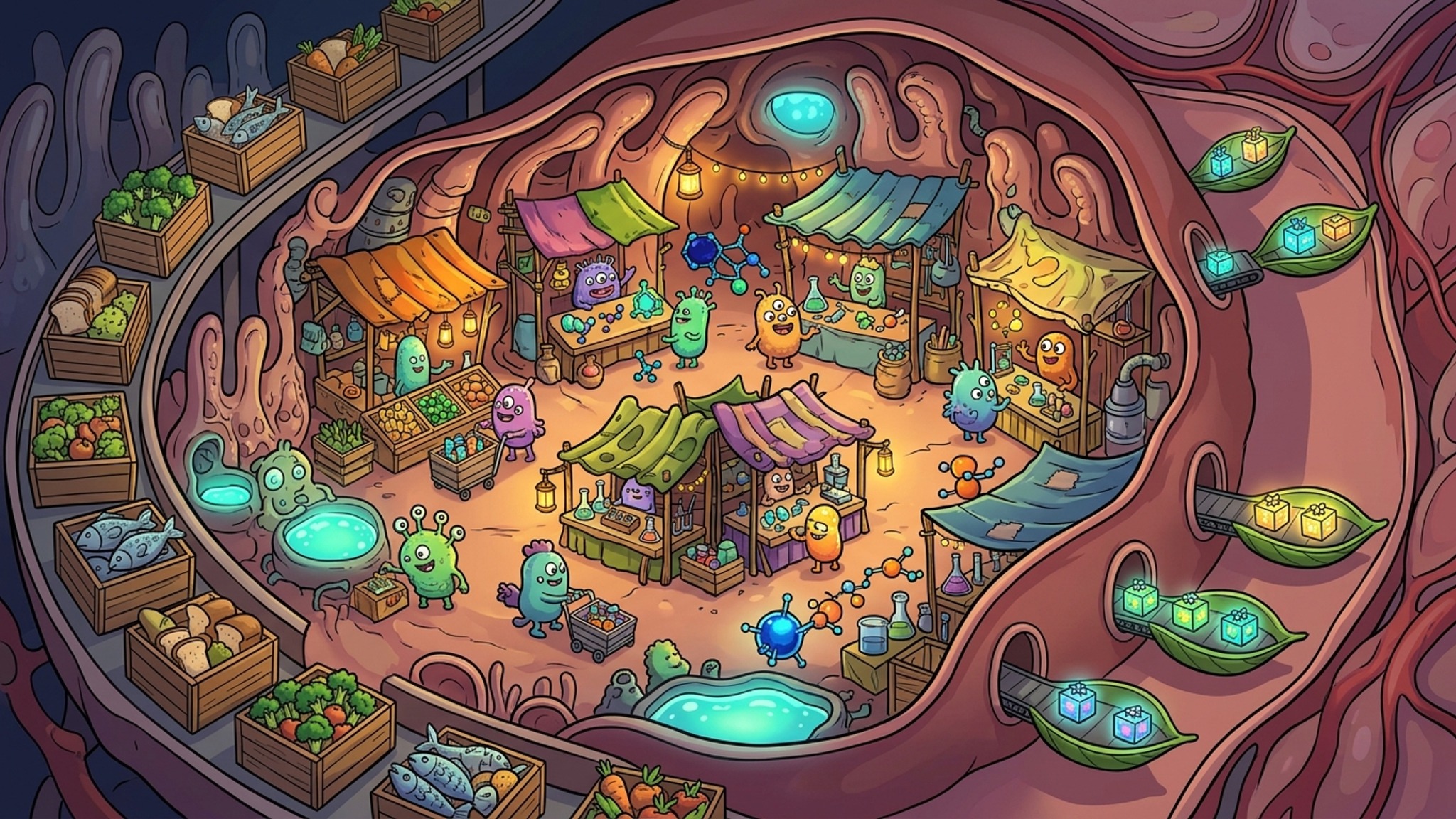 From Michael's desk
A geeky trip through the gut microbiome: how microbes turn leftovers into tiny molecules, why that matters, and why a shiny probiotic sticker still has to prove itself.
ReadEditorial meeting
Pick one topic. The winner joins the next-story list.
Michael's glossaryA word Michael paused on this week
Cell
תא
A cell is the basic unit of life: a tiny room with a border, an energy kitchen, and a protein factory. The human body is made of billions of cells.
mRNA
מולקולת רנ"א שליח (mRNA)
mRNA, or messenger RNA, is a temporary note from the cell’s nucleus: “Build this protein now.” After the cell reads it, the note breaks down; it does not rewrite the DNA book.
Neuroinflammation
נוירו-דלקת
Neuroinflammation is what happens when the brain or nerves’ immune alarm starts working too hard. Sometimes it protects; sometimes it can hurt the very cells it is trying to defend.
One story, one question, and one science word worth knowing.